June 10, 2026
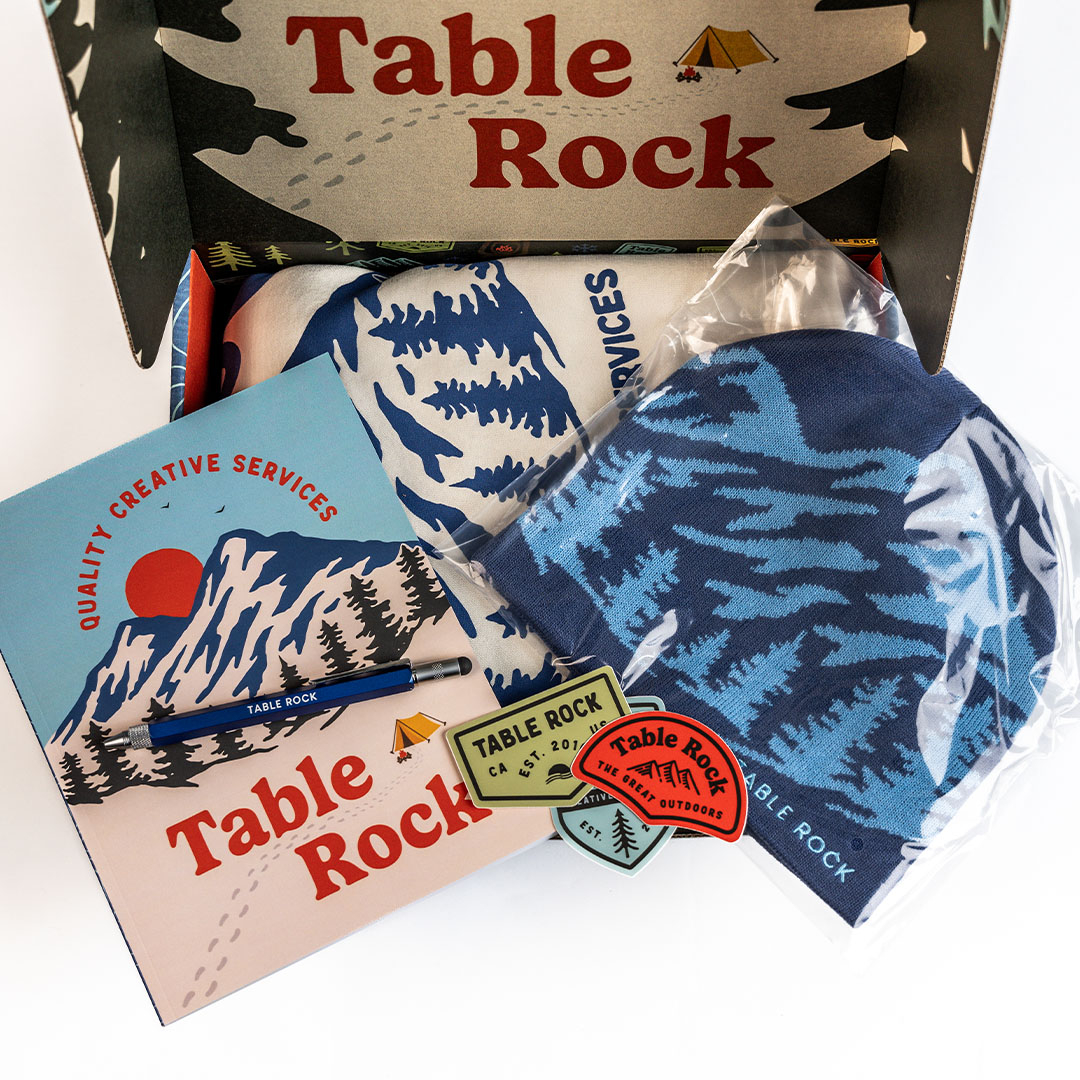
There was a time when corporate swag was treated as an afterthought, a box to tick during onboarding or a cheap giveaway at the annual holiday party. For years, the standard playbook involved ordering bulk quantities of low-cost, generic t-shirts and plastic pens, slapping a corporate logo on them, and hoping for the best. In a world of commodity and cheap, utilitarian wins each and every time. You want the perception of your brand to be elevated both for customers and employees.
But today's workforce sees right through the "cheap swag" strategy. In fact, a recent Custom Ink survey found that 47.6% of swag organizers admit that seeing their corporate gear end up in a trash can or a donation pile is their primary motivation to find something better.
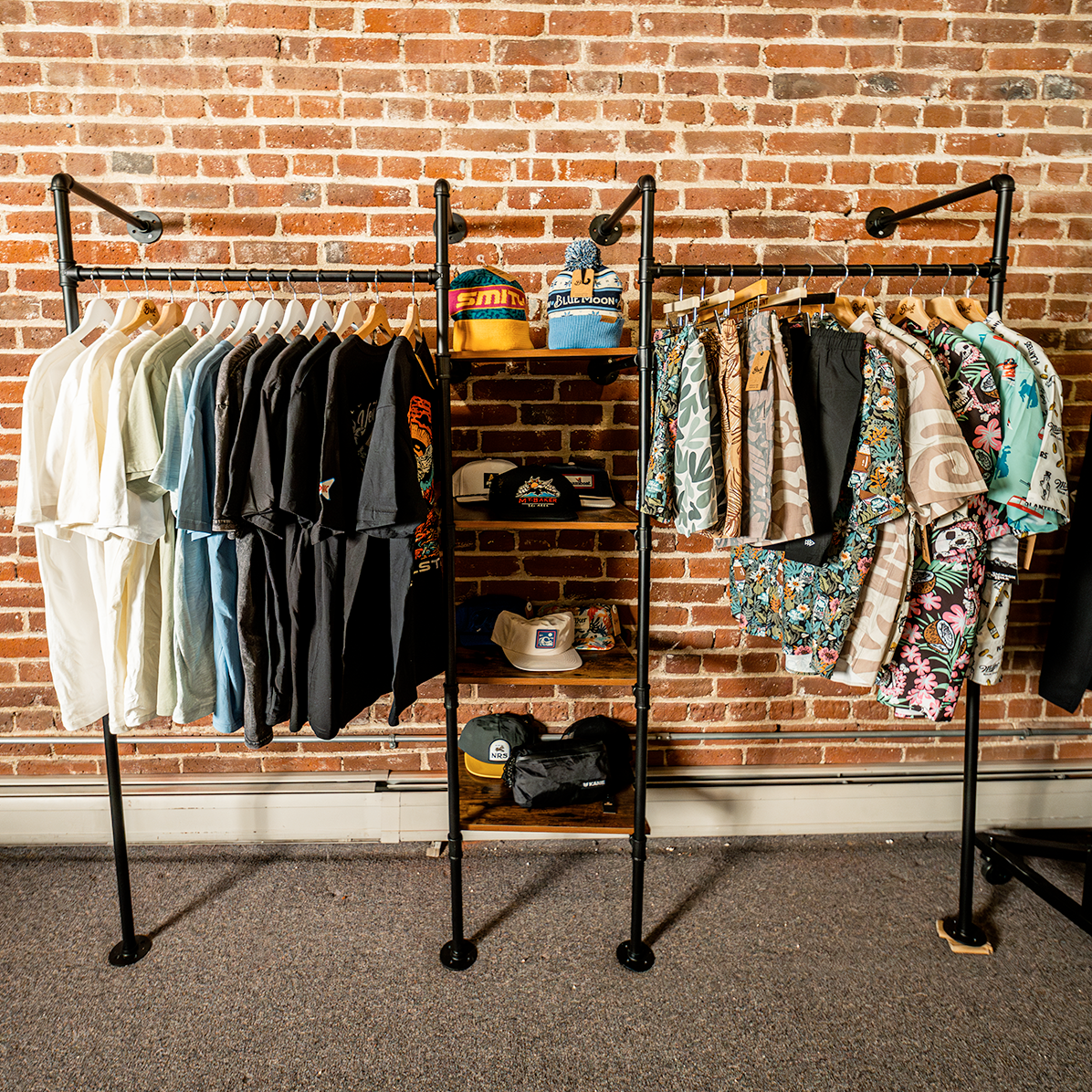
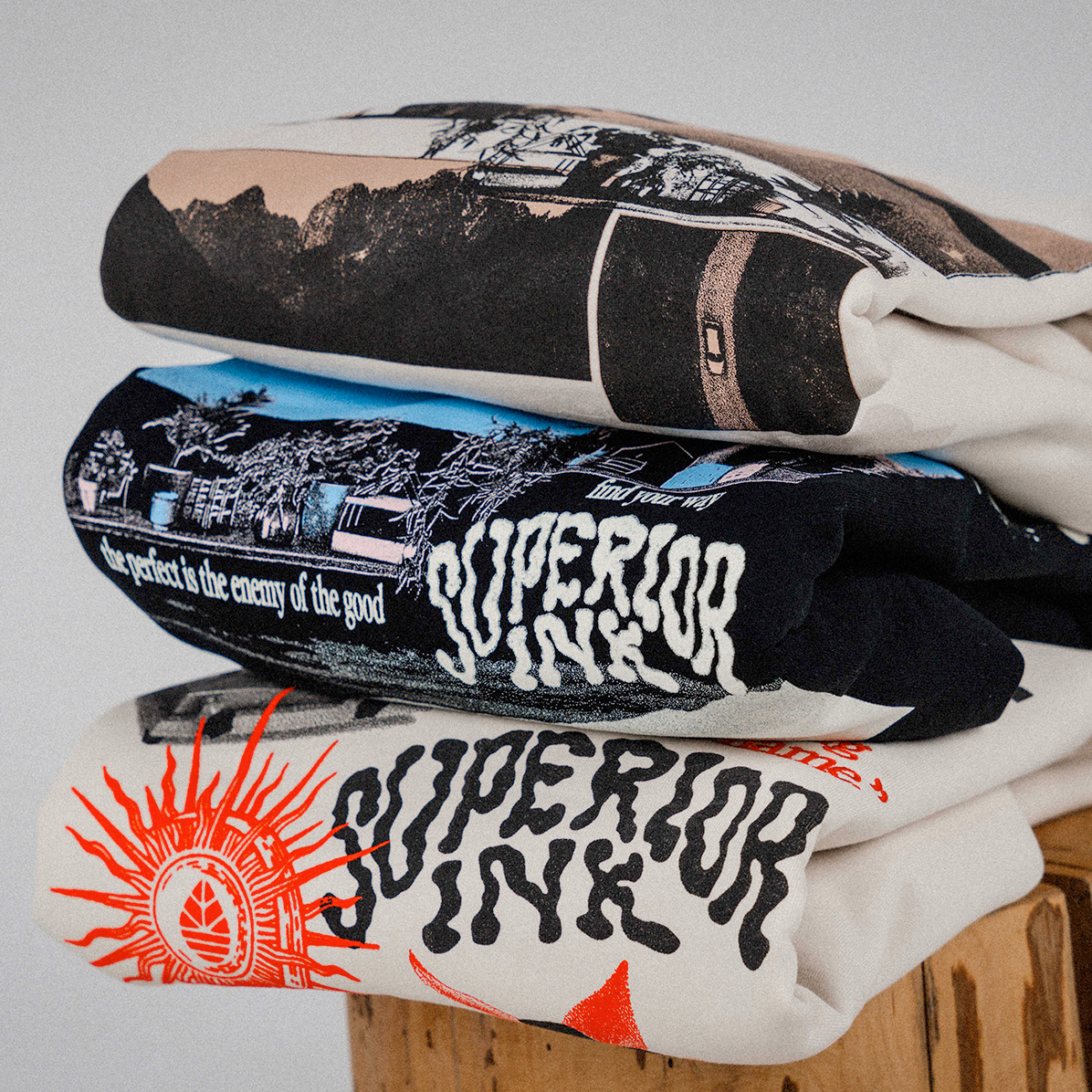
In 2026, forward-thinking brands are realizing that employee merchandise isn't just a marketing expense, it is a direct reflection of corporate values. By shifting toward high-quality, retail-grade, sustainable apparel and merchandise, companies are transforming simple corporate wear into a powerful engine for building workplace culture, pride, and long-term retention.
When an organization hands a new hire a flimsy, ill-fitting shirt made of synthetic materials that will shrink after one wash, it sends an unintentional message about how the company values its people and the planet.
Conversely, investing in eco-friendly branded merchandise—items made from certified organic cotton, recycled polyester (rPET), or manufactured under Fair Trade conditions—signals intentionality. According to data from the Promotional Products Association International (PPAI), 69% of employees now explicitly prefer sustainably made company swag.
This preference isn't just a passing trend; it directly impacts how talent perceives your leadership:
The Gen Z & Millennial Factor: Data from Deloitte highlights that 55% of Gen Z and Millennial workers thoroughly research a company’s environmental practices before accepting a job offer. If a company boasts about its Environmental, Social, and Governance (ESG) commitments on its website, but hands out cheap, non-sustainable plastic trinkets on day one, it creates an immediate cultural mismatch.
Furthermore, culture-driven data from Culture Amp shows that companies with genuine, actionable sustainability commitments see a 16% increase in overall employee engagement compared to those that don't.

First impressions matter. The onboarding process sets the trajectory for an employee's entire lifecycle at a company. Integrating a sustainable uniform or corporate wear program into day-one onboarding does more than just give people something to wear, it fosters immediate equity and belonging.
Instead of a generic "one-size-fits-all" box dropped on a desk, modern onboarding programs leverage managed company stores to give employees autonomy.
When employees choose their own gear, the emotional attachment changes. According to the Achievers Workforce Institute, effective, recipient-driven rewards and recognition programs deliver a 33% improvement in an employee's sense of belonging and a 34% jump in productivity.
The old-school model of corporate wear relied on mandatory dress codes and uniform hand-outs. The modern, hybrid workplace relies on earned pride.
Transitioning your corporate apparel budget into a continuous stipend or digital store credit model completely redefines employee appreciation. Instead of a single, massive annual holiday gift, top HR teams are utilizing "Micro-Moments"—smaller, frequent touchpoints throughout the year tied to company stores.
The retention data behind this shift is massive. A 2026 study by Snappy revealed that 72% of employees say receiving a personalized gift from their employer makes them more likely to stay at their current company. When that gift aligns with their personal values, like choosing an eco-friendly product, the positive perception of the employer sky-rockets.
For finance and executive teams looking at the bottom line, investing in premium, sustainable apparel might initially look like a higher upfront cost. However, the lifespan and utility of the product completely change the return on investment (ROI).
A landmark study measuring the carbon cost of marketing assets found that branded merchandise actually delivers an 8x lower carbon impact per memorized impression than traditional digital advertising. This is because a digital ad fires off an incredibly energy-intensive cascade of server operations every millisecond it is displayed. A high-quality physical item, however, requires carbon to be produced once, but yields thousands of impressions over its lifecycle.
To maximize this efficiency, companies must prioritize daily-use durability. A virgin-material or cheaply made garment that is discarded after two months is an environmental and financial failure. A certified sustainable, retail-quality jacket that an employee loves and wears for five years delivers infinite cultural value at zero additional carbon cost.
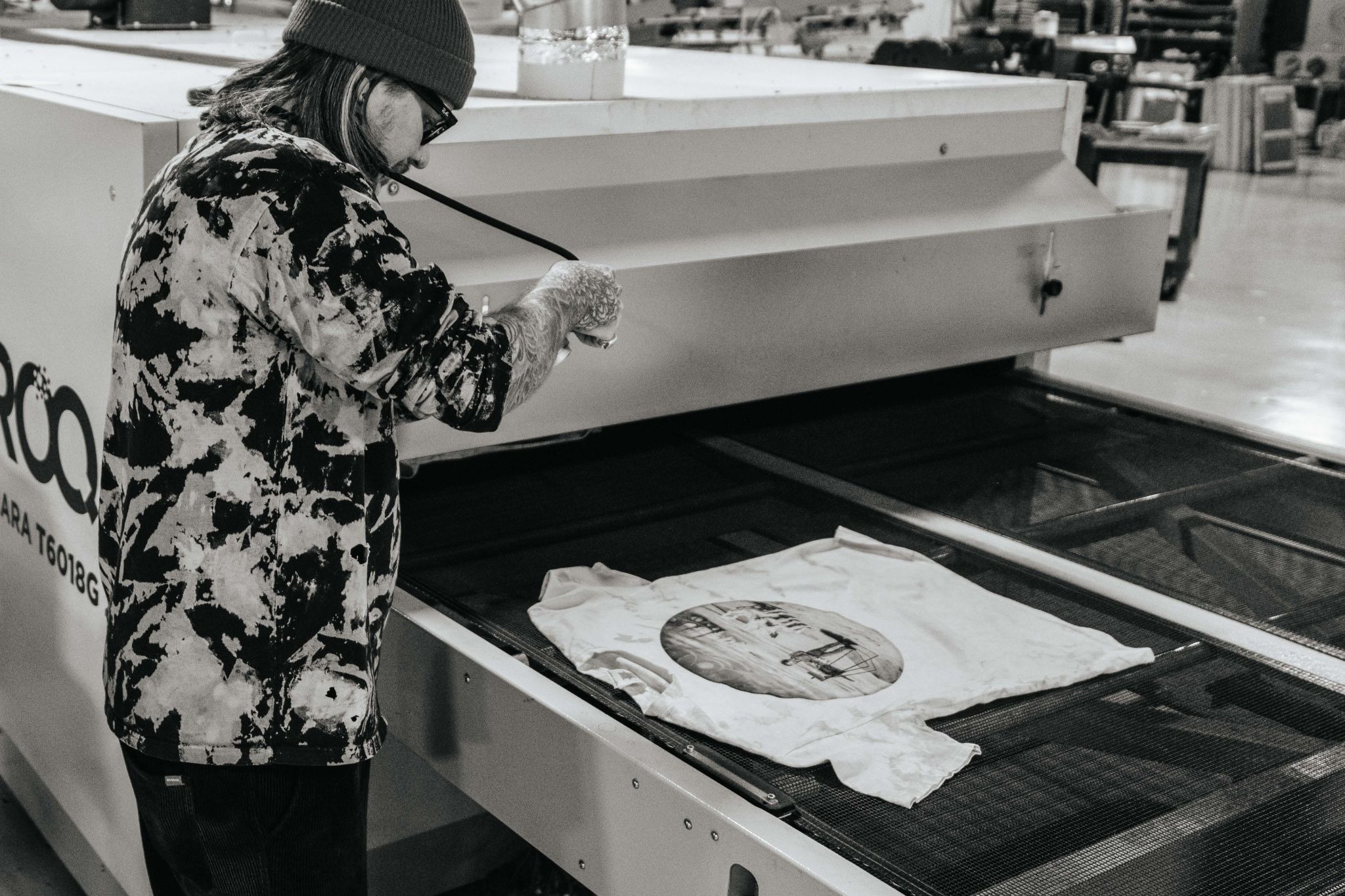
It absolutely kills me when I hear how much corporate companies spend annually on merch which comes directly out of the marketing budget. If implemented properly, apparel and promo should be a revenue driver not just a company expense. If you make cool merch for the brand, employees actually want to buy it. So if you can sell merch to customers, sell to employees (even at cost) this can stop the bleeding on just spending unlimited money and promo swag. Rather, you can bring in revenue and at the very least break even on all the promo and swag that is given out at company events.
Company culture isn't built by what leaders say in all-hands meetings; it’s built by the tangible choices a company makes every single day.
When you give your team premium, sustainably sourced merchandise through an interactive, choice-driven company store, you aren't just handing out corporate apparel. You are handing them a physical manifestation of your company’s ethics. You are telling them that their comfort, their personal choices, and the future of the planet matter to your organization.
When your employees are proud of what your company stands for, they don't just wear the merchandise to work they wear it out into the world.