June 9, 2026
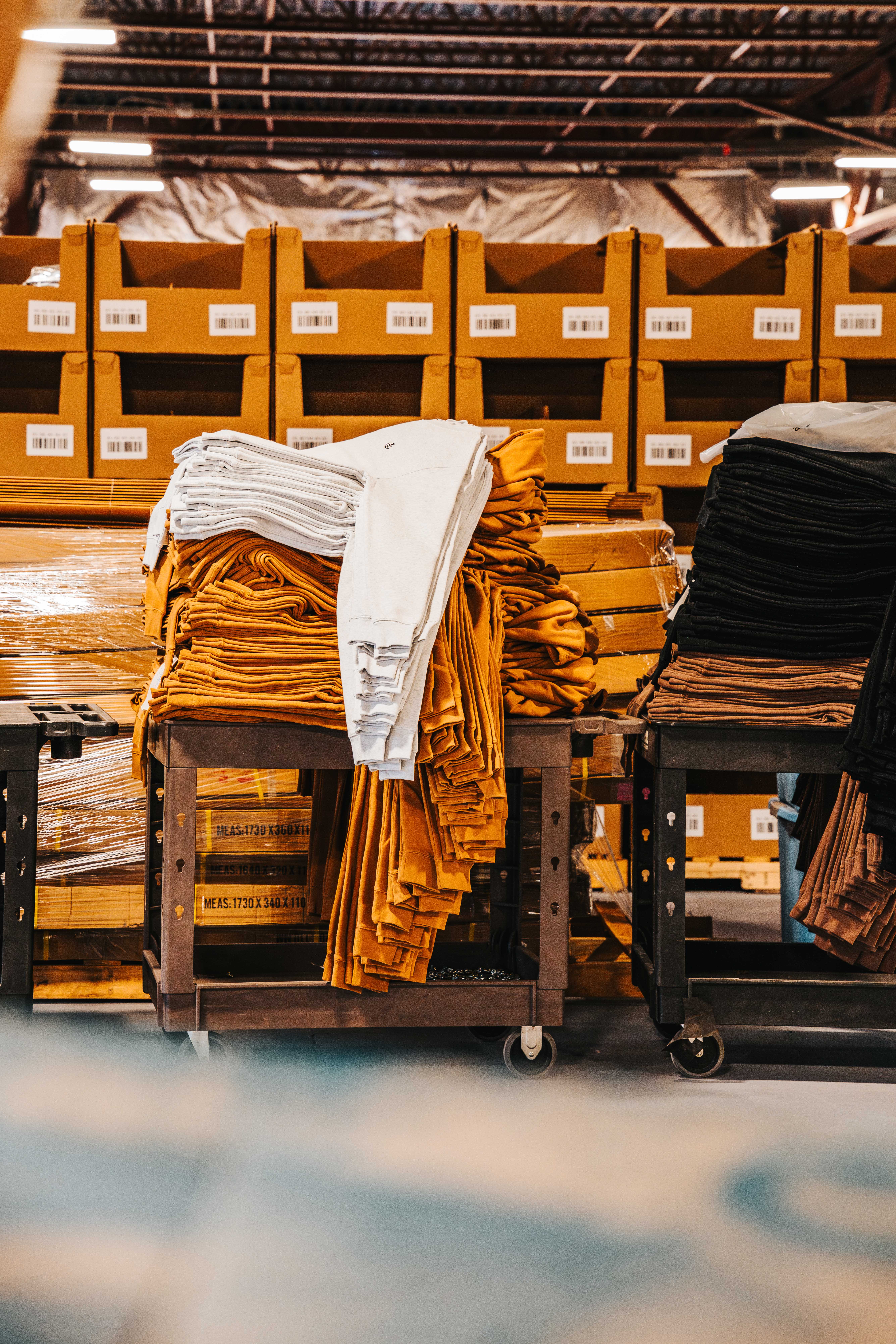
For a growing brand, especially one that doesn’t focus on selling apparel or soft goods as a primary function, scaling an apparel or merchandise program is a major task. It could mean that demand is rising, community engagement is thriving, and your brand footprint is expanding. However, moving from small, localized batch runs to high-volume production introduces a notoriously difficult operational paradox. Running a merch program for customers or staff can easily go from a good idea to a mess in a flash.
Historically, scaling up apparel meant watering down standards. Brands were frequently forced to choose between three conflicting priorities: cost efficiency, premium garment quality, and environmental accountability.
It doesn't have to be a compromise. Today, the most successful brands aren’t scaling by doing the same things bigger, they are completely rethinking their supply chains. By anchoring their growth in intelligent production forecasting, circular materials, and advanced third-party logistics (3PL) infrastructure, companies can scale massive merch and retail programs while strengthening their commitment to quality and sustainability.
When apparel programs grow reactively, the structural cracks reveal themselves almost immediately. If you scale volume using fragmented, analog workflows, you face a predictable set of failure points:
To bypass these scaling hurdles, forward-thinking brands build their corporate and consumer merch programs around a unified blueprint.
Most apparel supply chains are a fragmented game of telephone. A brand designs a garment, hires a broker to find a fabric mill, contracts a separate factory for production, and then ships the finished goods to an independent warehouse. When something goes wrong or when you want to pivot the entire system grinds to a costly halt.
Superior eliminates the friction through true vertical integration.
Because we own and manage the ecosystem from initial sourcing and apparel manufacturing all the way through to final fulfillment, we give brands an unprecedented level of agility and control.
[Fabric Sourcing] ──> [Custom Production] ──> [Integrated 3PL] ──> [Real-Time Data Analytics]
▲ │
└────────────────────────── Optimized Reorders ──────────────────────────┘
Vertical integration means we don't just execute your orders—we optimize your entire business model. In modern retail and corporate merchandising, data is everything. Superior bridges the gap between manufacturing and market intelligence:
True sustainability cannot be retrofitted onto an inefficient garment design; it must be built directly into the fabric. When ramping up production, Superior helps brands transition away from virgin, resource-heavy textiles and embrace scalable, verified alternatives.
Maintaining premium quality at high volumes requires shifting QA from a final, reactive inspection step to an active, upstream process. Because Superior controls the production lines, our quality control is baked into the manufacturing process. By catching physical defects or material inconsistencies at the raw fabric phase rather than the finished product box, we completely eliminate the material and financial waste of rejected shipments.
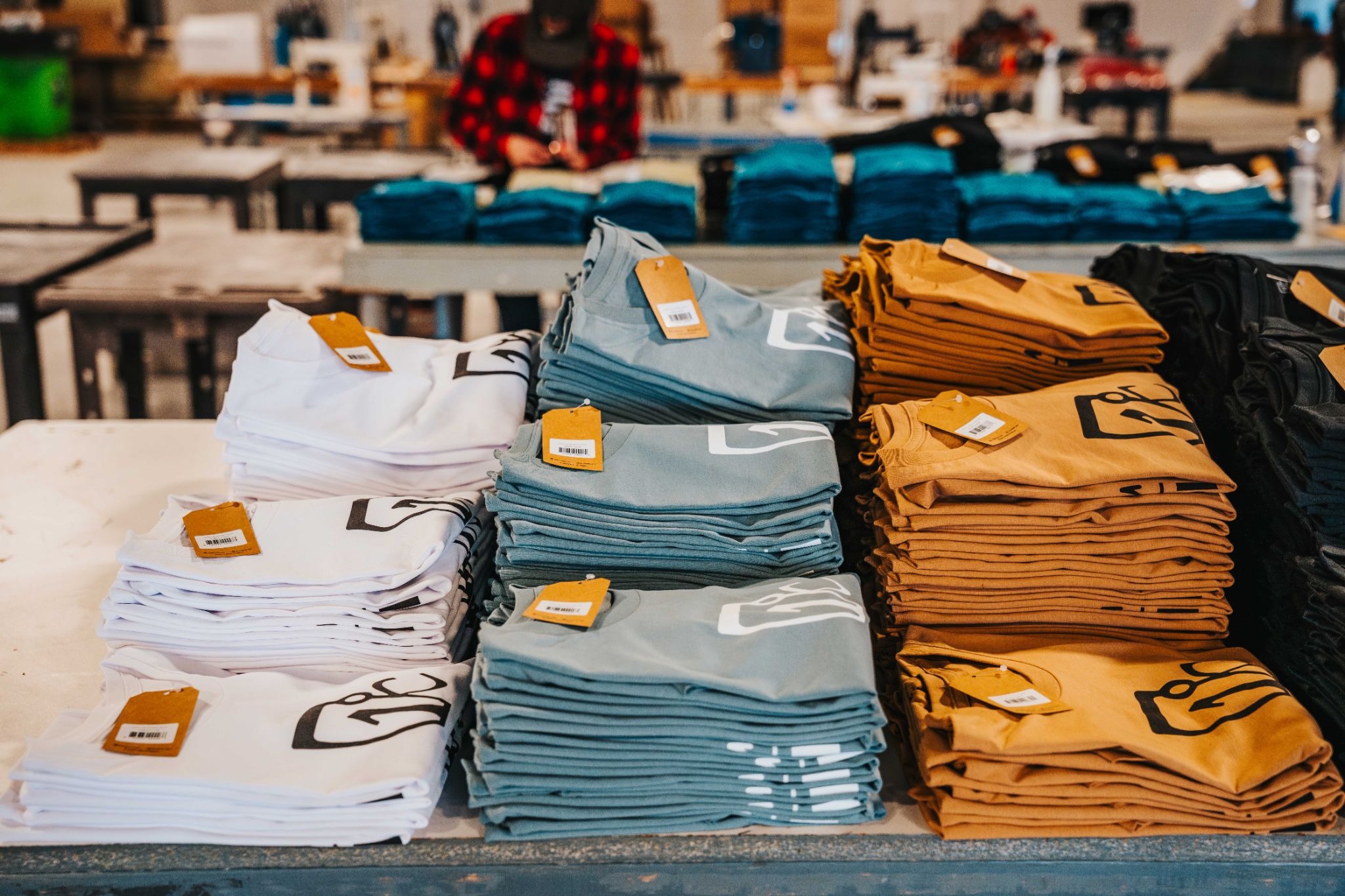
You can design the most eco-friendly, premium garment in the world, but if your logistics model relies on shipping single items across vast distances from a centralized, unoptimized warehouse, your sustainability metrics collapse.
Scaling a premium apparel program requires a specialized Apparel 3PL (Third-Party Logistics) framework—another core pillar of the Superior ecosystem.
Rather than clogging capital into a single warehouse, smart brand scaling relies on decentralized inventory holding. By analytically positioning stock closer to major consumer or regional corporate hubs, we minimize the total miles a package must travel. This directly cuts down on transport emissions while drastically improving delivery speed.
A generic logistics provider treats a premium hooded sweatshirt exactly like an inanimate box of hardware. Superior understands that fashion and merchandise require distinct operational care:
When brands think of scaling apparel, they often focus entirely on customer-facing retail. However, some of the fastest-growing companies use Superior to optimize their internal employee merchandise programs to offset marketing spend, build culture, and unlock hidden revenue.
Generic, poorly fitting "swag" ends up in landfills. High-quality, sustainably manufactured corporate apparel, however, turns employees into authentic brand ambassadors. When Superior helps you invest in apparel that rivals premium retail brands in comfort, style, and durability, employees wear it proudly outside of working hours.
A scaled merch ecosystem allows companies to transform their swag budget from a pure cost center into an efficient financial loop:
1.Consolidate Internal Demand:Eliminate Fragmented Purchasing.
Instead of individual departments ordering uncoordinated, low-volume batches of cheap items throughout the year, unify internal demand through a centralized, curated apparel portal.
2.Leverage Bulk Manufacturing Economies:Maximize Sourcing Efficiency.
Run large-scale, planned production cycles of premium, sustainable garments. Superior's vertical integration unlocks lower per-unit costs with eco-certified factories without overproducing.
3.Deploy via On-Demand Employee Portals:Automated Internal Logistics.
Integrate your internal corporate portal directly with our fulfillment network. Items are stored efficiently and dispatched dynamically for new hire onboarding, corporate milestones, or internal performance incentives.
4.Open Public E-Commerce Channels:Transition Swag to Revenue.
Launch a public-facing brand gear store. Because the core production and infrastructure costs are already balanced by internal corporate utility, public consumer purchases operate at incredibly high margins—effectively offsetting your entire corporate apparel expenditure.
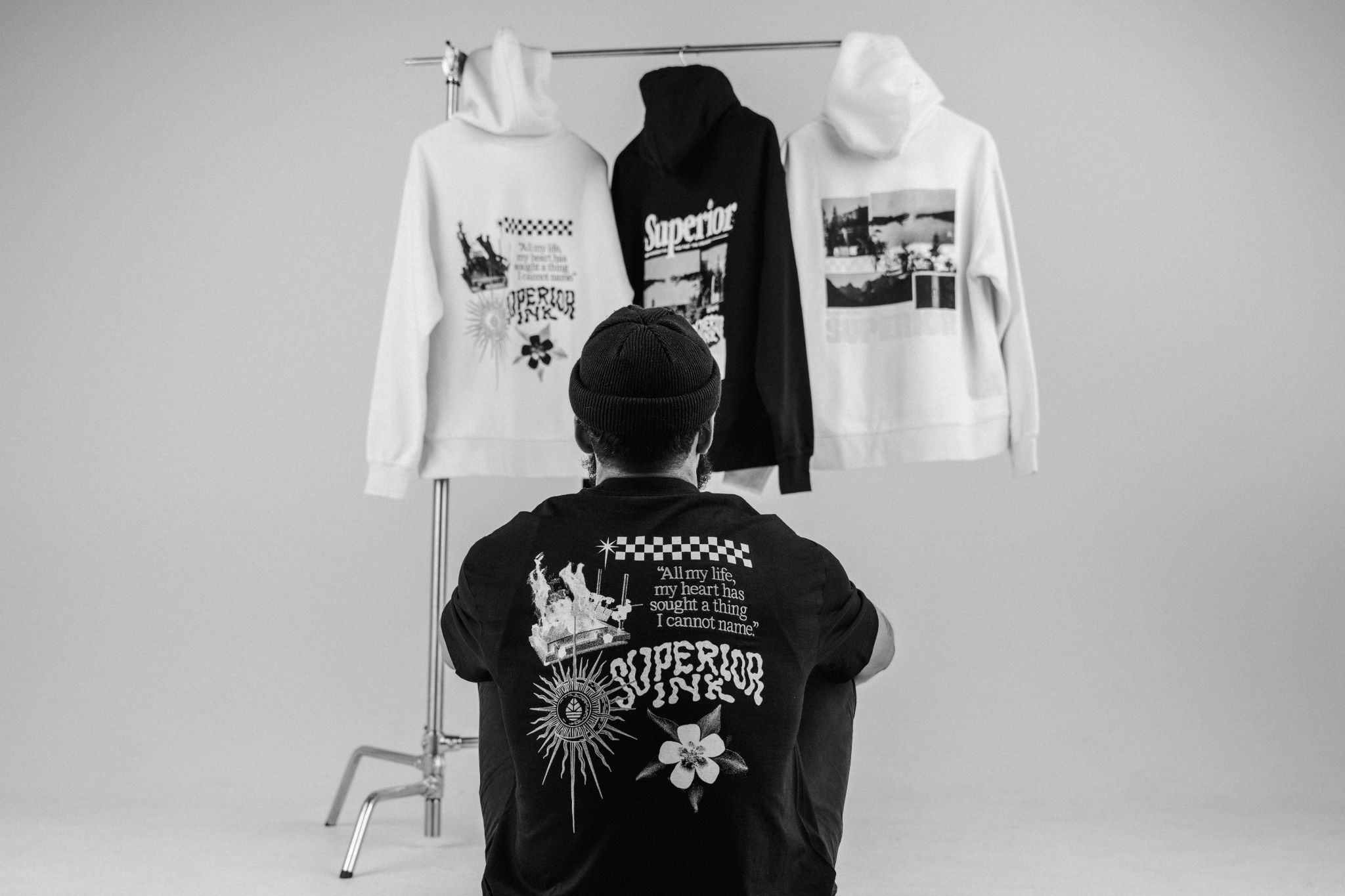
Scaling an apparel program cleanly boils down to an intentional partnership ecosystem. To establish your brand as a market powerhouse, your production loop must look at the entire lifecycle of the garment—and look closely at the data driving it.
By sourcing scalable, circular raw materials, implementing preventive quality control, and anchoring your fulfillment inside an optimized, data-driven framework like Superior Ink, your brand can effortlessly meet high-volume demand. The result is a seamless, premium experience for both the end consumer and the internal employee, all achieved while protecting your capital, minimizing your inventory burden and respecting the planet.